
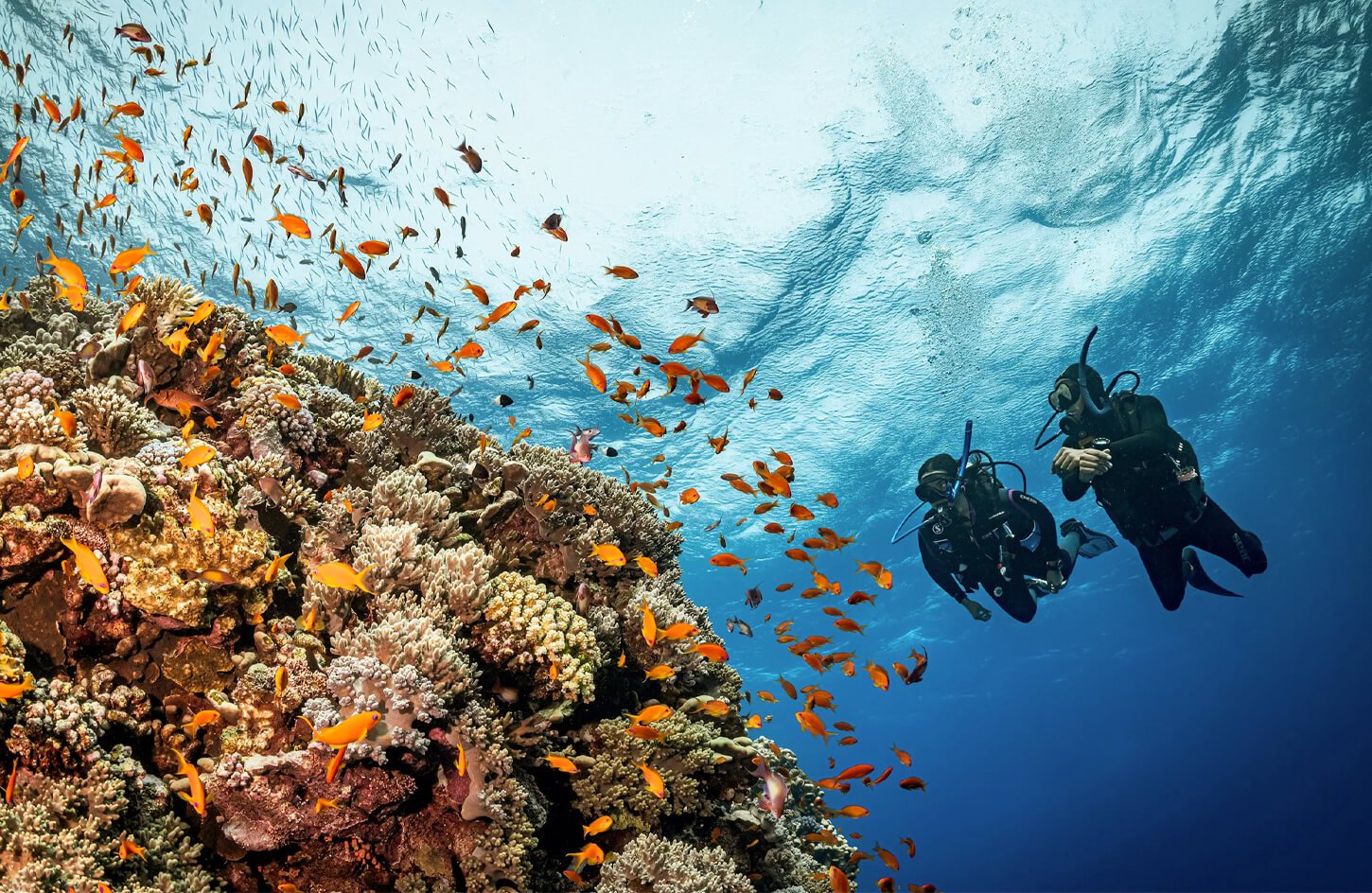

Are you ready to explore one of the world’s most renowned scuba diving spots? The Red Sea is known for its clear waters and colorful coral reefs. These are home to many different sea creatures.
When you’re getting ready for your Red Sea diving trip, you’ll be eager to find the best dive spots. You’ll see many sea species and historic shipwrecks. Your diving expectations will be met and then some.
The Red Sea is a dream come true for divers. It’s perfect for both experienced and new divers. You’ll be amazed by the beauty and variety of the underwater world.
The Allure of the Red Sea for Divers
The Red Sea is a dream spot for divers. It’s full of marine life and coral reefs. With over 400 coral species and 1,500 fish types, it’s a rich marine ecosystem.
Divers love the Red Sea’s clear waters. They get to see the lively coral reefs. It’s perfect for all divers, from newbies to pros.
Expect to see many marine life wonders. You’ll see colorful fish, sea turtles, and reef sharks. The Red Sea is also home to big sea creatures like manta rays and whale sharks. It’s an exciting place for divers.
When to Plan Your Red Sea Diving Adventure
The Red Sea is great for diving all year. Its warm waters, from 20°C to 30°C, are perfect for diving anytime.
Summer months (June to September) are best for seeing hammerhead sharks. They gather in certain spots during this time. If you want to see them, plan your trip for then.
Spring and early summer are great for whale sharks. The calm, clear waters are perfect for watching these gentle giants.
Think about the weather when planning your dive. The sea is usually calm, but sometimes the winds or seas can be rough. Check the forecast before you go.
The best time to dive in the Red Sea depends on what you like. With its warm waters and many sea creatures, it’s always a great dive, no matter when you go.
Preparing for Your Red Sea Diving Trip
To have a great and safe diving experience in the Red Sea, you need to prepare well. Being ready not only makes your trip more fun but also keeps you safe.
- Certification and Gear: Make sure your diving certification is current and right for the places you’ll dive. Most dive spots in the Red Sea need a certain level of certification. Also, check your diving gear to make sure it’s good to go. Using your own gear can make your dive better.
- Safety Checks: Before you go, do a deep safety check on your gear. This means checking your regulator, BCD, and dive computer. Knowing the local diving rules and emergency steps is also important for a safe dive.
By paying attention to these Red Sea diving preparation tips, you’re set for a great diving trip. Remember, getting ready is the first step to enjoying the Red Sea’s amazing underwater sights.
Top Diving Spots in the Northern Red Sea
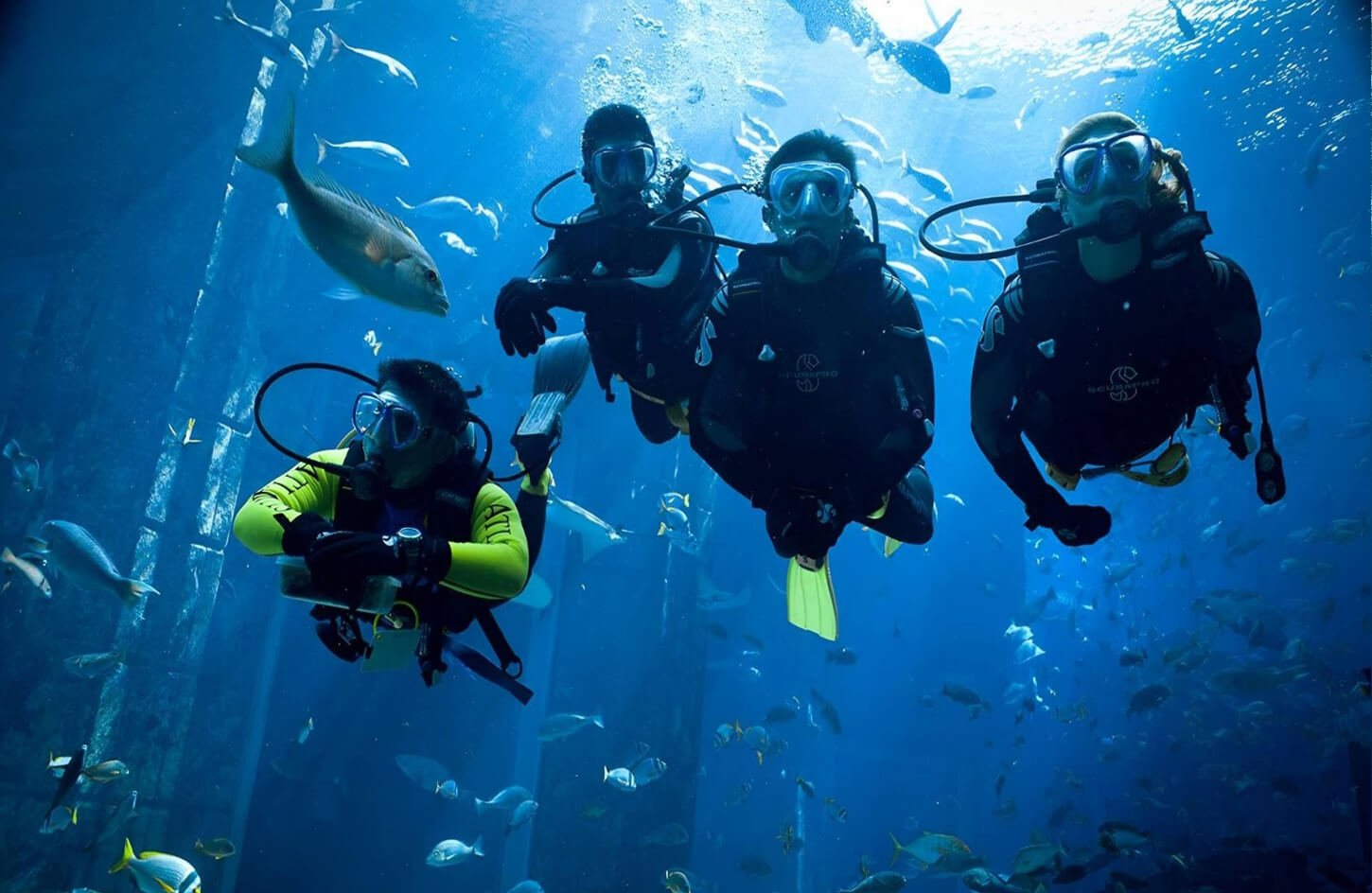
Diving in the Northern Red Sea is unforgettable. Its waters are crystal clear, and the coral reefs are vibrant. The Straits of Tiran is famous for its four coral reefs: Jackson, Woodhouse, Thomas, and Gordon.
Jackson Reef
Jackson Reef is a top dive spot. It’s thrilling, with sharks, rays, and turtles. The coral formations are stunning underwater.
Gordon Reef
Gordon Reef is another great dive site. It’s rich in marine life. It’s perfect for both new and experienced divers.
The Northern Red Sea’s dive sites are clear and full of life. You’ll see many species, from colorful fish to big predators. They all live in the coral reefs.
Diving at Jackson Reef, Gordon Reef, or other spots in the Northern Red Sea is amazing. You’ll see the beauty and diversity of the underwater world.
Must-Visit Dive Sites in the Central Red Sea
The Central Red Sea is famous for its amazing diving spots. It’s close to Hurghada, a top spot for diving. Here, you can find some of the best dive sites around.
Giftun Islands
The Giftun Islands are a top pick for diving in the Central Red Sea. They’re full of colorful coral and many sea creatures. You might see fish and even dolphins while diving here.
Carless Reef
Carless Reef is another great place to dive. It has steep sides and lots of sea life. The water is clear, so you can see everything around you.
Big Brother and Little Brother
The Brothers Islands are known for their incredible diving. Big Brother has big drop-offs and hammerhead sharks. Little Brother is calmer with lots of sea creatures. Both are a must-see for serious divers.
Diving in the Central Red Sea is unforgettable. It’s full of life under the sea and beautiful coral. Whether you’re new or experienced, there’s something for everyone here.
Southern Red Sea Diving Gems
Exploring the Southern Red Sea reveals some of the world’s most untouched dive spots. It’s famous for exceptional diving opportunities. You’ll see a variety of marine life and stunning coral reefs.
Marsa Alam is a top spot in the Southern Red Sea. It’s home to amazing dive sites like Elphinstone Reef and Dolphin House. Here, you can see dugong sightings as they eat in the seagrass meadows.
Dugong Sightings
The Southern Red Sea is a top place to see dugongs. These gentle giants are a favorite among divers. The seagrass beds here are perfect for them.
Reef Structures
The reef structures in the Southern Red Sea are breathtaking. They’re full of vibrant corals and diverse marine life. Divers can explore these reefs, seeing colorful fish, turtles, and rays.
The mix of reef structures and marine life makes the Southern Red Sea a must-see for divers. Whether you dive in the shallows or the deep, it’s an experience you won’t forget.
Diving in the Red Sea: What Marine Life to Expect
The Red Sea’s marine life is a dream for divers. It has over 1,500 fish species and 400 coral species. It’s a true paradise for those who love marine life.
When you dive, you’ll see many marine species. Coral reefs are full of colorful fish like parrotfish and angelfish. You might see sea turtles swimming or reef sharks patrolling.
The Red Sea is also home to big pelagics. You could see manta rays or whale sharks. Seeing these creatures is unforgettable.
The Red Sea’s location, where Africa and Asia meet, makes it special. Its warm waters and complex reefs support a wide variety of life.
Exploring the Red Sea is like going on a new adventure every time. You’ll see everything from tiny clownfish to dolphins. It’s always something new and exciting.
Wreck Diving in the Red Sea
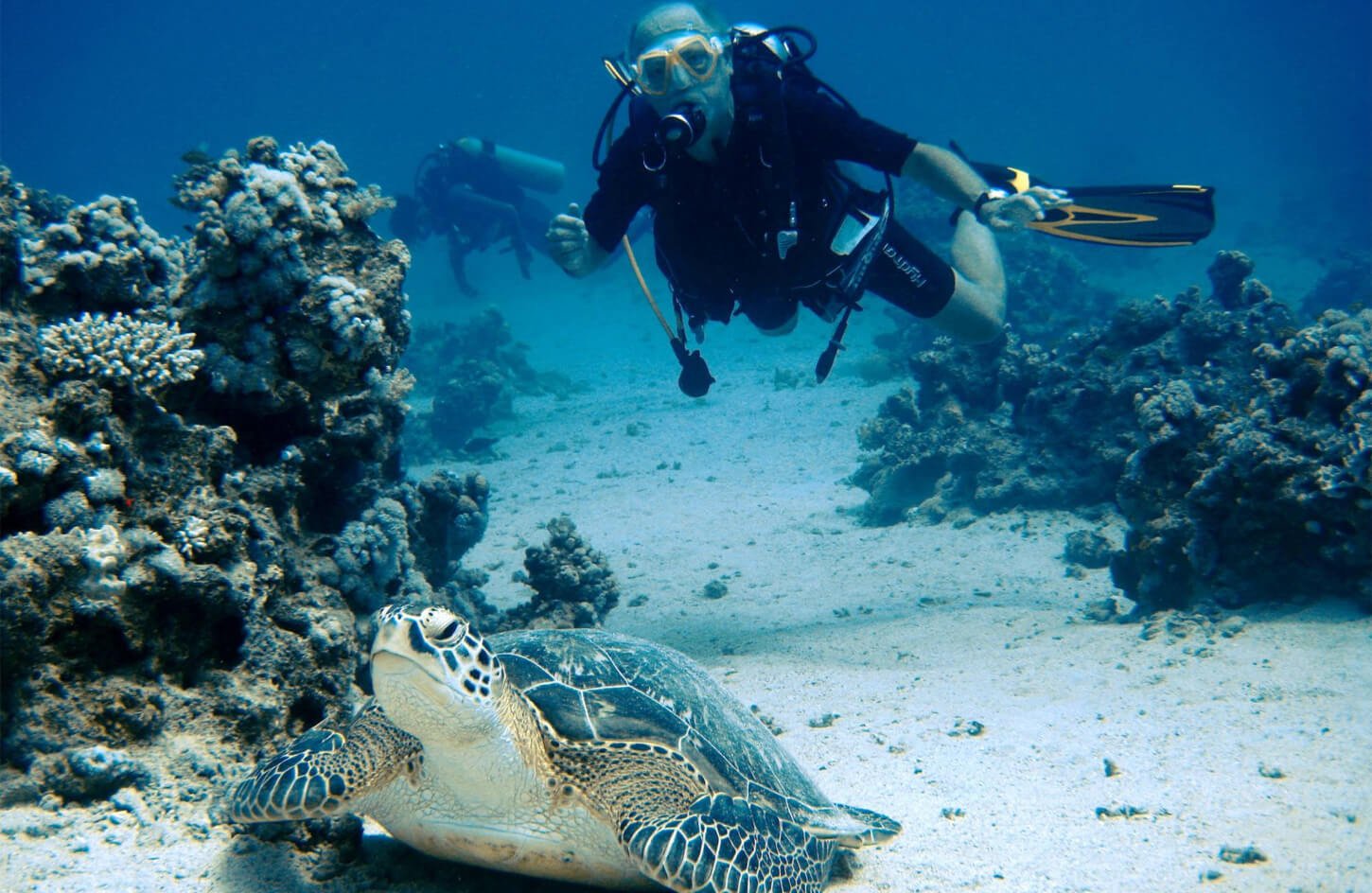
Wreck diving in the Red Sea is a unique experience. Historic shipwrecks offer a dive site like no other. The Red Sea has many wrecks, each with its own story, drawing divers from all over.
The SS Thistlegorm is a famous wreck in the Red Sea. It was sunk during World War II. Now, it’s a thriving artificial reef, full of marine life. Divers can explore its cargo holds, engine room, and even the ship’s guns, making for an exhilarating dive.
There are other historic wrecks in the Red Sea too. The SS Carnatic, the SS Rosalie, and the El Gouri are notable ones. Each wreck offers a unique diving experience, with chances to see many fish species, coral, and other marine life.
The Red Sea’s wreck diving scene is known for its clear waters. Visibility can reach up to 150 feet, and there’s a wide variety of marine life. This makes it perfect for both new and experienced wreck divers. Whether you love history, marine biology, or just exploring the unknown, the Red Sea’s wrecks have something for you.
When planning your Red Sea diving trip, make sure to include wreck diving. With its rich history, vibrant marine life, and unforgettable dives, the Red Sea’s wrecks will surely impress any diver.
Practical Information for Red Sea Diving
Red Sea diving is more than just the sites. It’s about being ready for a safe and fun dive. You need to think about a few key things.
Diving safety is the top priority. Make sure you have the right diving certification. Also, check the dive operator’s safety record and read what others say about them.
Most dive operators in the Red Sea help with equipment rental and guided dives. This makes planning your trip easier. Whether you’re experienced or new, guided dives offer great insights into the marine life and dive sites.
For Red Sea diving practicalities, being ready is important. Look at the weather forecast and pack right. Remember to bring sunscreen, a hat, and sunglasses for breaks on the surface.
By taking care of these details, you can enjoy the amazing diving in the Red Sea. It’s full of marine life, colorful coral reefs, and historic wrecks. The Red Sea is a true paradise for divers.
Liveaboard vs. Day Trips: Choosing Your Diving Experience
Planning your diving adventure in the Red Sea? You must choose between day trips and a liveaboard. Each option has its own benefits for different diving lovers.
Liveaboard trips let you dive many sites without coming back to shore. It’s great for exploring various dive spots, even the remote ones in the Red Sea. You’ll get to enjoy evening briefings, dive in new places every day, and bond with other divers.
Day trips offer a chill diving vibe. They’re perfect for those who don’t want to spend days at sea or are short on time. You can dive in the morning and return to shore by evening, enjoying local spots and services.
When picking between a Red Sea liveaboard and day trips, think about your diving dreams, budget, and what you like. The Red Sea has a diving experience for everyone, whether you seek adventure or comfort.
Conclusion: Making the Most of Your Red Sea Diving Adventure
When planning your Red Sea diving trip, remember to prepare well. The Red Sea has vibrant coral reefs, rich marine life, and historic shipwrecks. It offers a unique diving experience for all levels of divers.
Choosing the right dive operator is important. This way, you can explore the many dive sites the Red Sea has. Whether you choose liveaboard or day trips, you’ll see amazing marine life and underwater landscapes.
Follow the diving tips and advice in this guide. Proper planning and knowing what to expect will make your dive safe and fun. Enjoy your adventure in the Red Sea!
0 Comment