

You’re about to start a journey through ancient Egypt. Here, ancient Egyptian temples show off a rich history. Egypt is full of historical sites, with temples being a big attraction for history fans.
Exploring the history of Egyptian temples reveals their amazing stories. You’ll see temples along the Nile and hidden ones in the desert. Each place gives a special look into Egypt’s past.
Prepare to be amazed by the Egyptian temples that have drawn visitors for ages. In this article, we’ll show you the top ones. We’ll share their historical importance and why they’re a must-see.
The Magnificent Legacy of Ancient Egyptian Temple Architecture
Exploring ancient Egypt’s history shows the importance of temple architecture. Egyptian temples show the greatness of ancient Egyptian culture. They reflect their religious beliefs, building skills, and cultural life.
Characteristic Features of Egyptian Temples* Hypostyle halls with huge columns
* Intricate hieroglyphics and carvings of mythological scenes
* Sacred lakes and inner sanctums for rituals
These features show the ancient Egyptians’ engineering skills. They also show the temples’ religious and cultural importance. The temples were places of worship, economic activity, and political power.
The legacy of Egyptian temple architecture is seen in many ancient Egyptian monuments still standing today. These structures still amaze people. They give us a look into ancient Egypt’s culture and beliefs.
1. The Temple of Karnak: Egypt’s Largest Religious Complex
The Temple of Karnak is a huge wonder in Egypt. It’s in Luxor and was a key place for worship for over 1,300 years. It’s a huge complex that shows Egypt’s deep history.
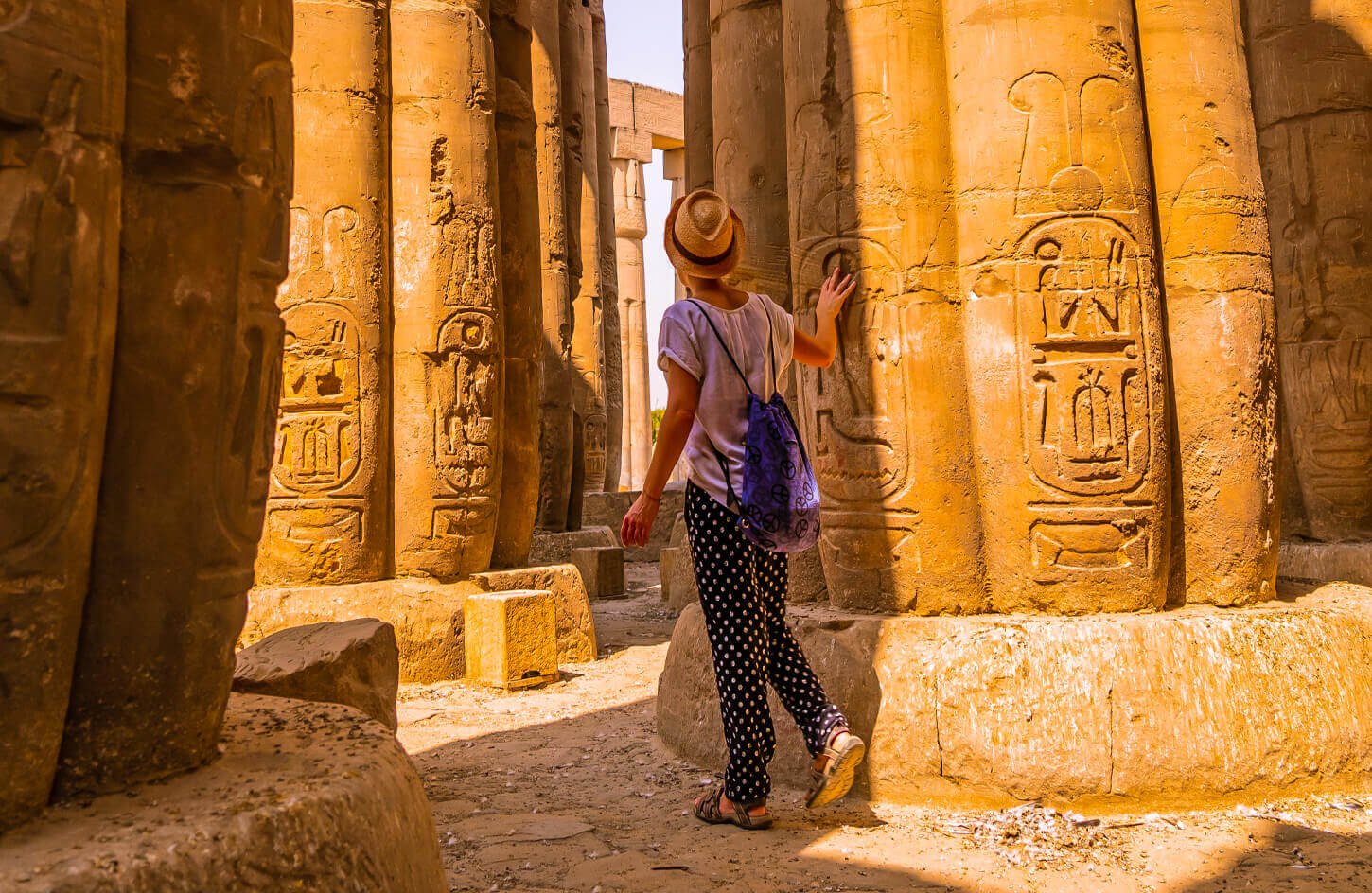
The temple is famous for its massive stone columns and detailed hieroglyphics. Walking through, you’ll see towering obelisks that stand out. These are symbols of Luxor temples.
The Temple of Karnak is more than one temple. It’s a mix of sanctuaries, halls, and buildings built by different pharaohs. It shows how ancient Egyptian architecture and beliefs changed over time.
Seeing the Temple of Karnak is a memorable trip. It lets you see the grandeur of ancient Egypt’s culture and religion. It’s a top spot for history, architecture, and Egypt’s cultural past.
2. Abu Simbel: Ramses II’s Monumental Legacy
The temples of Abu Simbel are carved into the mountainside. They are an awe-inspiring example of ancient Egyptian engineering. Built by Ramses II, these temples show the pharaoh’s power and the advanced skills of the ancient Egyptians.
Key Features of Abu Simbel
The colossal statues of Ramses II guard the temples’ entrance. The larger temple is for the gods Amun and Ra-Horakhty. The smaller temple is for Hathor and Nefertari, Ramses II’s wife.
The walls of the temples are covered in intricate carvings and hieroglyphics. They give a glimpse into ancient Egypt’s mythology and history. The temples were moved in the 1960s to save them from Lake Nasser, a UNESCO-recognized feat.
Visiting Abu Simbel is like traveling back in time. It offers insights into Ramses II’s reign and ancient Egypt’s religious practices. The site is one of Egypt’s most visited and revered monuments, a true legacy of Ramses II.
3. Luxor Temple: The Ancient City’s Crown Jewel
You won’t want to miss Luxor Temple. It’s a key site of worship in ancient Thebes. Dedicated to Amun, Mut, and Khonsu, it’s on the east bank of the Nile River. It shows the grandeur of ancient Egyptian civilization.
Luxor Temple’s Historical Significance: It was a major place of worship in ancient Thebes. Built during Pharaoh Amenhotep III’s reign, it was later expanded by Ramses II.
The temple’s architecture is amazing. It has a grand entrance, a hypostyle hall, and several shrines. The Avenue of Sphinxes connects it to the Temple of Karnak. This shows its religious and ceremonial importance.
Visiting Luxor Temple lets you see ancient Egypt’s rich history and culture. You’ll see intricate hieroglyphics, colossal statues, and sacred precincts. Here, ancient priests performed rituals.
In summary, Luxor Temple is a must-see for history lovers. Its architecture, history, and cultural importance make it a jewel of ancient Thebes.
4. Temple of Hatshepsut: The Female Pharaoh’s Masterpiece
The Temple of Hatshepsut is a wonder of ancient Egyptian design. It’s found at Deir el-Bahri and is a top spot in Egypt.
Walk through Hatshepsut’s mortuary temple with its three levels. These levels are linked by ramps and show off colorful reliefs. They tell stories of Hatshepsut’s life and her big wins.
The temple’s look is stunning and shows off the ancient Egyptians’ smart building skills. It’s carved into the cliffs, mixing well with nature.
Seeing the Temple of Hatshepsut is amazing. It’s a key place for those who love ancient Egypt’s history and culture.
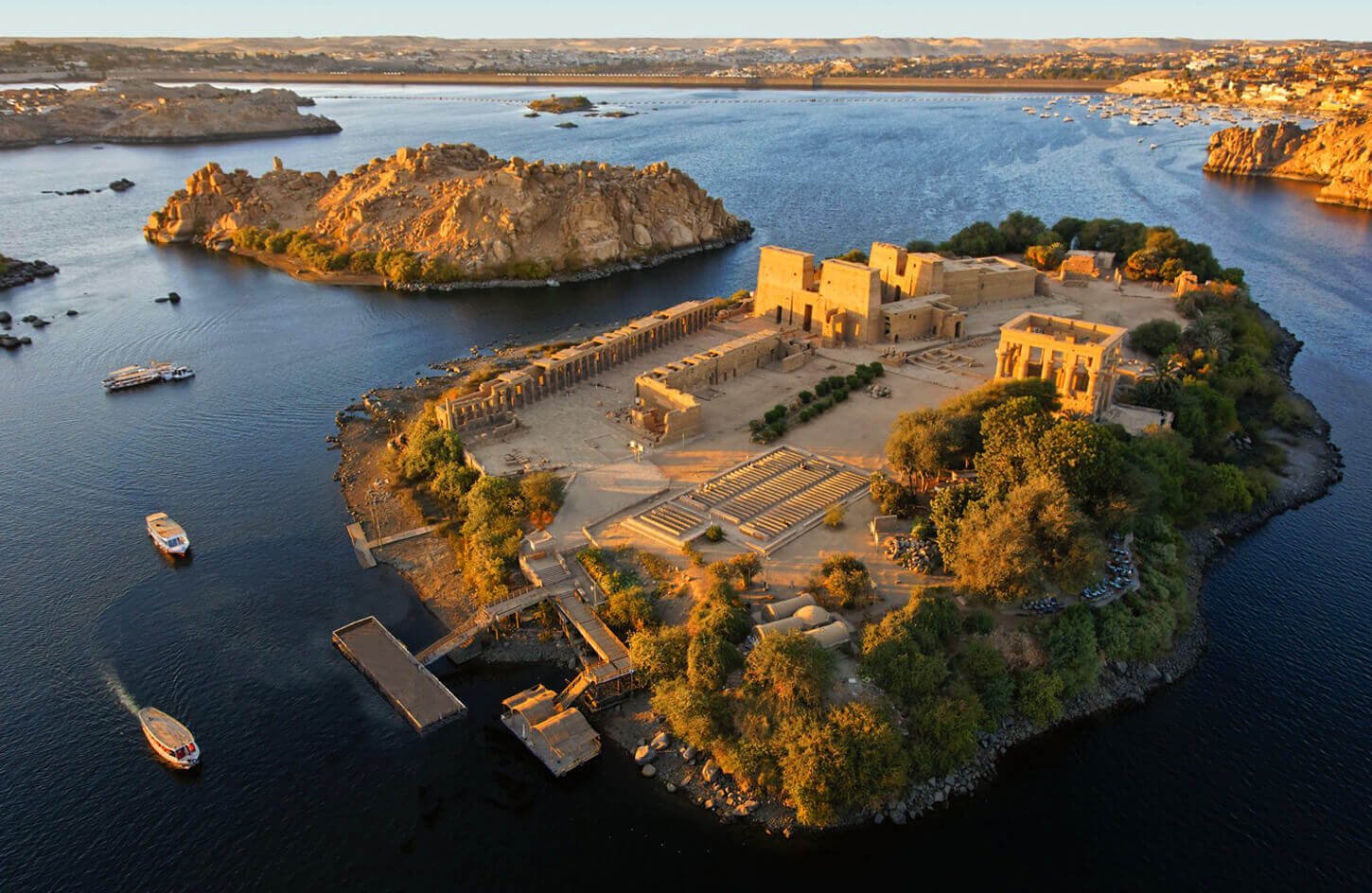
5. Philae Temple: The Island Sanctuary of Isis
Philae Temple is a stunning example of ancient Egyptian architecture. It stands as a testament to the worship of Isis. You visit this magnificent structure on an island in the Nile, and you’re immediately struck by its beauty and historical significance.
The temple was originally located on Philae Island. But due to the construction of the Aswan High Dam, it was moved to its current site on Agilkia Island. This monumental task was a testament to the dedication to preserving ancient Egyptian heritage.
The temple’s architecture is a blend of Egyptian and Greek styles. This shows the cultural exchange and influences of the time. As you explore the temple, you’ll notice the intricate carvings and reliefs. They depict stories of Isis and other Egyptian deities.
The Philae Temple is not just a historical site. It’s a spiritual and cultural landmark that continues to captivate visitors from around the world. As you wander through its halls and courtyards, you can feel the reverence and awe that this sacred place inspires.
6. Edfu Temple: The Best-Preserved Ancient Temple
When you visit Edfu, you’ll see the amazing Edfu Temple. It shows how ancient Egyptians worshipped. This temple, dedicated to Horus, is one of Egypt’s best-kept ancient temples.
The Edfu Temple is a great example of ancient Egyptian architecture. It shows the grandeur and details of the Ptolemaic period. Its well-preserved state lets visitors see its original structure and decorations. The temple’s hypostyle hall, with its huge pillars, is very impressive. It shows the ancient Egyptians’ skill in building.
As a Horus temple, Edfu tells us about Horus worship and myths. The temple’s walls have reliefs of Horus and Seth’s battles. These show the beliefs of the time.
Visiting the Edfu Temple is like stepping back in time. It’s a must-see for history lovers and travelers.
7. Kom Ombo: The Unusual Double Temple
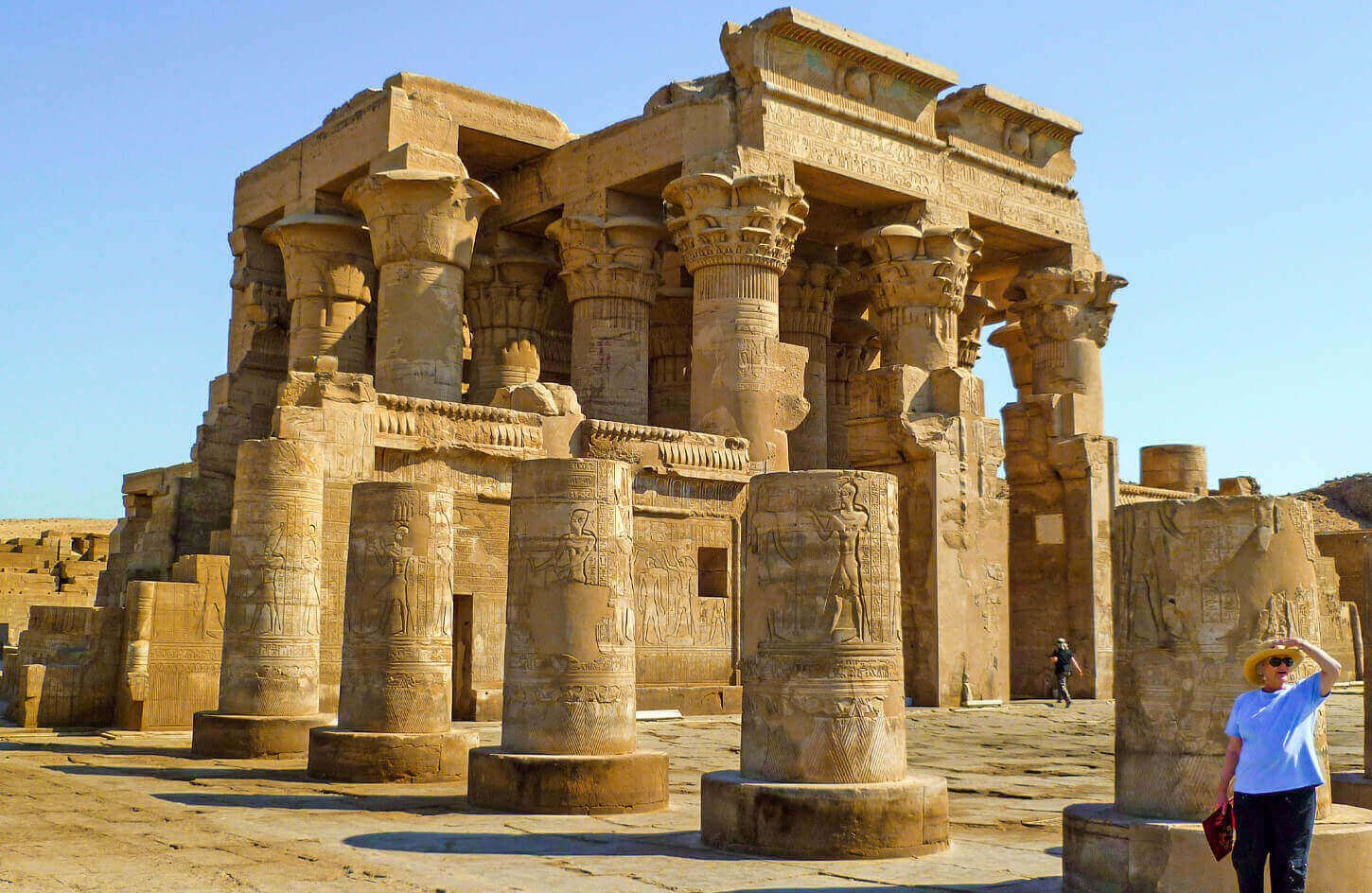
When you visit Kom Ombo, you’ll see a special double temple. It’s dedicated to Sobek and Horus, two important gods. This site is by the Nile River, showing off ancient Egypt’s history and building skills.
The Kom Ombo Temple is known for its dual purpose. It has parts for Sobek, the crocodile god, and Horus, the falcon god. Its design shows this with two sanctuaries and halls.
Walking through the temple, you’ll see detailed carvings and hieroglyphics. These show scenes from Egyptian myths and everyday life. They give us a peek into the culture and beliefs back then.
The temple’s unique double design shows ancient Egypt’s religious openness. It shows respect for different gods, like Sobek and Horus.
Seeing Kom Ombo Temple is a special experience. It lets you see the ancient Egyptians’ creativity and skill. It’s a key place to visit on your journey through Egypt’s history.
8. Dendera Temple Complex: Home to the Famous Zodiac
Exploring ancient Egypt’s temples, you’ll find the Dendera Temple Complex. It’s famous for its well-preserved reliefs and the Dendera Zodiac. Located near Dendera town, it’s one of Egypt’s most impressive sites.
The temple is dedicated to Hathor, a key goddess in ancient Egyptian myths. Its intricate carvings and reliefs show mythological scenes and rituals. They give us a peek into ancient religious practices.
The Dendera Zodiac is a circular bas-relief that’s a highlight. It shows the ancient Egyptians’ knowledge of the stars. This ancient astronomical representation is a key artifact.
Visiting the Dendera Temple Complex takes you back in time. You can see the grandeur of ancient Egyptian architecture and culture. With its rich history and stunning architecture, it’s a must-see for Egyptology fans.
Top 10 Must-See Temples in Egypt: Planning Your Historical Journey
Planning your trip to Egypt’s top temples is exciting. To make the most of your visit, follow these tips. Being ready will make your journey smooth and fun.
Appropriate Clothing and Footwear
When you visit Egypt’s temples, dress modestly and wear comfy shoes. You’ll do a lot of walking. Some paths are uneven or rocky. Wear loose, breathable clothes to stay cool and protect from the sun.
Photography Equipment and Restrictions
Remember your camera and charger to capture the beauty. Some temples might not allow tripods or flash. Always ask temple staff before snapping photos.
Health and Comfort Essentials
Stay hydrated and protect yourself from the sun. Bring lots of water, sunscreen, and a hat. Also, pack a small first-aid kit and any needed medicines.
Being prepared lets you enjoy Egypt’s temples fully. With these tips, you’re set for a memorable trip.
9. Medinet Habu: Ramses III’s Memorial Temple
Ramses III’s memorial temple, Medinet Habu, is famous for its well-preserved reliefs. It’s located on the west bank of Luxor. This ancient structure shows the Egyptians’ skill in building during the New Kingdom period.
Architectural Significance
Medinet Habu is known for its well-preserved state. Visitors can see its detailed carvings and hieroglyphics. The temple has many chapels and halls, showing the complexity of ancient Egyptian religion.
The temple complex has a unique architectural layout. It combines religious and administrative buildings. This layout helps us understand the temple’s roles during Ramses III’s time.
Visiting Medinet Habu gives us a peek into Ramses III’s life. The temple’s history and beauty make it a must-see for those interested in ancient Egypt.
10. Temple of Seti I at Abydos: Home to the Mysterious Osiris Cult
When you enter the Temple of Seti I at Abydos, you feel like you’ve traveled back in time. This amazing building is for the pharaoh Seti I and the god Osiris. It shows the amazing skills of ancient Egypt’s builders and its history.
The Temple of Seti I is famous for its detailed carvings and its big historical value. The Osiris cult, a key part of the temple, is full of secrets, making it even more interesting. People who visit can find out about this ancient cult and its role in Egyptian myths.
The Temple of Seti I has many important parts. There’s a well-kept hypostyle hall and the famous Abydos King List. This list helps us learn about Egypt’s royal family. The temple’s design and art give us a peek into the beliefs and customs of the time. It’s a great place for those who love history.
Visiting the Temple of Seti I at Abydos lets you see ancient Egypt’s magic up close. Its history and beauty make it a top spot for anyone wanting to learn about Egypt’s culture.
Conclusion: Embracing the Timeless Wonder of Egypt’s Temple Legacy
Egypt’s temples show the country’s deep history and culture. They give us a peek into ancient Egyptian life. As you see these amazing places, you’ll learn secrets from long ago.
The temples tell many stories, like the Temple of Karnak and the Temple of Seti I at Abydos. Each one is a special look into Egypt’s past. It shows the skill and faith of a people who still amaze us today.
Exploring Egypt’s temples is a journey into history and culture. It’s a trip that will amaze anyone. Whether you love history or just want to see new places, Egypt’s temples will impress you.
0 Comment